From Signals
to Geopolitical
Strategy
From Signals
to Geopolitical
Strategy
I am a Geopolitical Commentator and Political Economist covering multipolar power shifts. Linking Europe-China-Russia within multipolarity — reaching both minds and hearts.
I believe in a human-centered approach to geopolitics; one that goes beyond abstract power structures. Today power is shaped as much by people, markets, and infrastructure as by diplomacy and security.
As the world moves into a multipolar order, defined by the dynamic interaction between Europe, the United States, Russia, and China, my focus is on shared interests rather than confrontations.
Strengthening the understanding between Europe, Russia, and China lies at the heart of my work; translating the realities of a multipolar world into constructive dialogue, empathy, and strategic understanding. I seek building bridges of cooperation between these pivotal regions, whose interaction will shape not only global security but also the political and economic balance of the 21st century, the emerging Asian Century.
I explore geopolitics as a dynamic interplay between interests, identities and security concerns; I weave geopolitics with dialogue, understanding and long-term thinking, encouraging a more balanced, empathetic, and forward-looking global conversation.
As a speaker, author, and commentator, I offer grounded yet visionary perspectives on the forces reshaping the world; from the evolution of Eurasian relations to the shifting dynamics of a multipolar world.
I welcome opportunities for collaboration, dialogue, and the exchange of ideas across all spheres of global engagement.

25.11.2025
Soft power connects where hard power divides; China shows this through culture, emotion and flexibility, while Russia’s artistic heritage continues to inspire worldwide.
15.08.2025
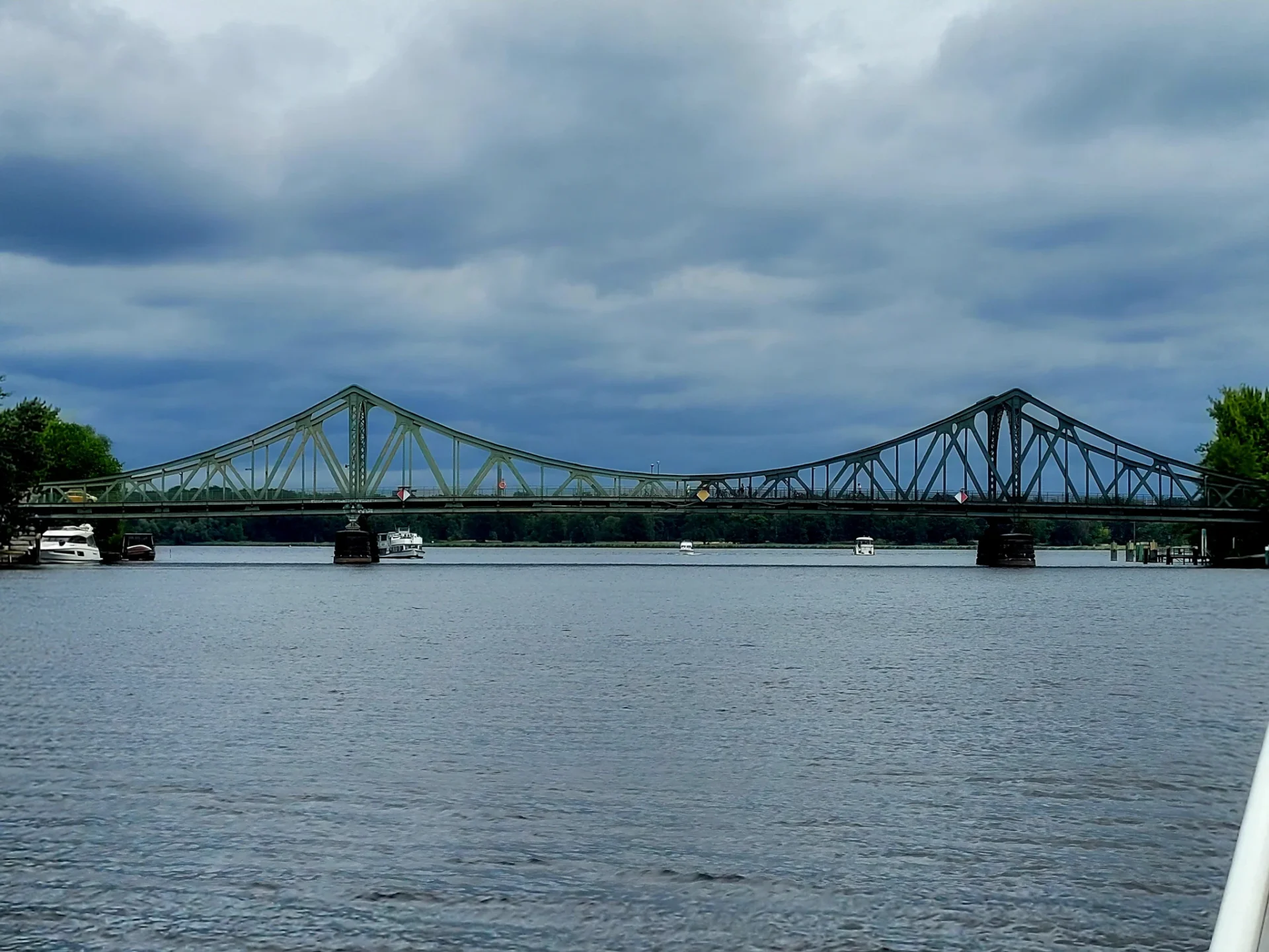
The Potsdam Conference, which took place 80 years ago from July 17 to August 2, 1945, stands as a symbol of diplomacy and the negotiation of a new peaceful world order.

17.06.2025
With all the war rhetoric coming not only from Russia but also from the so-called Western community of values, one might easily get the impression that we are trying to test whether NATO is still functional. Will Article 5 of the NATO Treaty really be implemented? In other words, will the other member states come to the aid of a NATO country under attack?
We are entering an Asian century, and the stability of a peaceful multipolar world will mainly depend on how these regions engage with one another.
Europe must regain its strategic independence and renew its spirit of dialogue - engaging Russia and China through the lens of history and with a clear understanding of economic realities and shared interest in our global world.
Geopolitics helps us understand how politics, economics, and culture are connected. By seeing the world as an integrated system, leaders across business, politics, and the military can develop strategic foresight, strengthen cooperation, anticipate change, and shape positive global outcomes.
Universalism - inspired by Kant’s philosophy of peace and reason - calls for empathy, dialogue, and fairness among nations. It invites us to think beyond borders and to focus on what unites humanity.
In today’s multipolar era, these principles can form the basis for coexistence, mutual respect, and balanced international relations. Universalism is, above all, a call for dialogue, understanding, and shared responsibility in shaping a peaceful global order.
Borders are not merely geographic - they are spiritual and cultural. No river or mountain can truly divide people. It is shared language, history, culture, and empathy that build connections and form the human borders between nations - the kind that create harmony among civilizations.
This idea lies at the heart of the French school of geopolitics shaped by Jacques Ancel - a profoundly human-centered approach.
Ancel reminds us that true stability depends on understanding people and places, and on cultivating harmony through dialogue, mutual recognition, and respect.
Because real understanding begins when we see the world through the eyes of others. Empathy allows us to interpret motives, values, and fears - transforming potential conflict into dialogue and cooperation.
The current global system is shaped by militarization, economic dependency, and digital control. Global elites benefit from conflict, while diplomacy and human connection are neglected. The military and its industries are built on a mindset of conflict - not connection.
By contrast, the global economy flourishes through connection - by fostering cooperation and creating genuine win-win opportunities on equal footing. The defining challenge of our time is to move from domination to partnership on equal footing.
Multipolarity is not a future concept, it is already. The old ways of thinking and the old structures are slowly disappearing, making room for something new to emerge.
We are fortunate to live in this time of transformation and upheaval, because it offers us the chance to shape change and to do so in a better, more balanced way. At the same time, we are experiencing the rapid digitalization of our daily lives, including the rise of artificial intelligence, which is profoundly reshaping not only our work but our entire way of life.
Instead of complaining, we should embrace it and seize the opportunities it brings to steer our global world in a more constructive and humane direction.